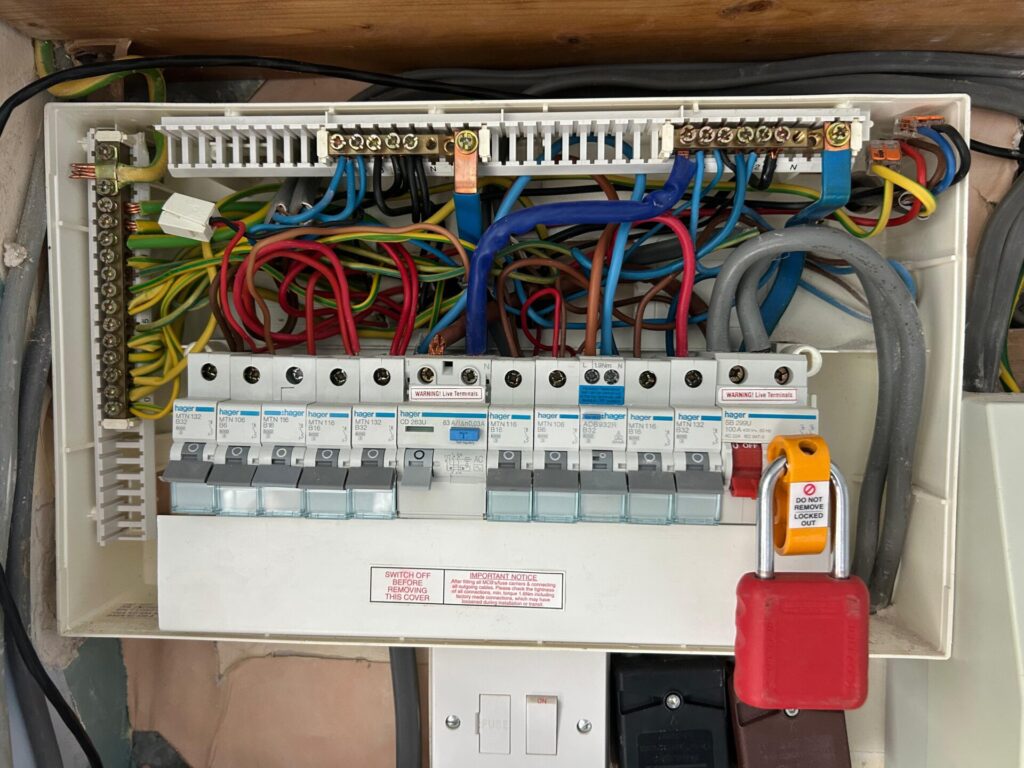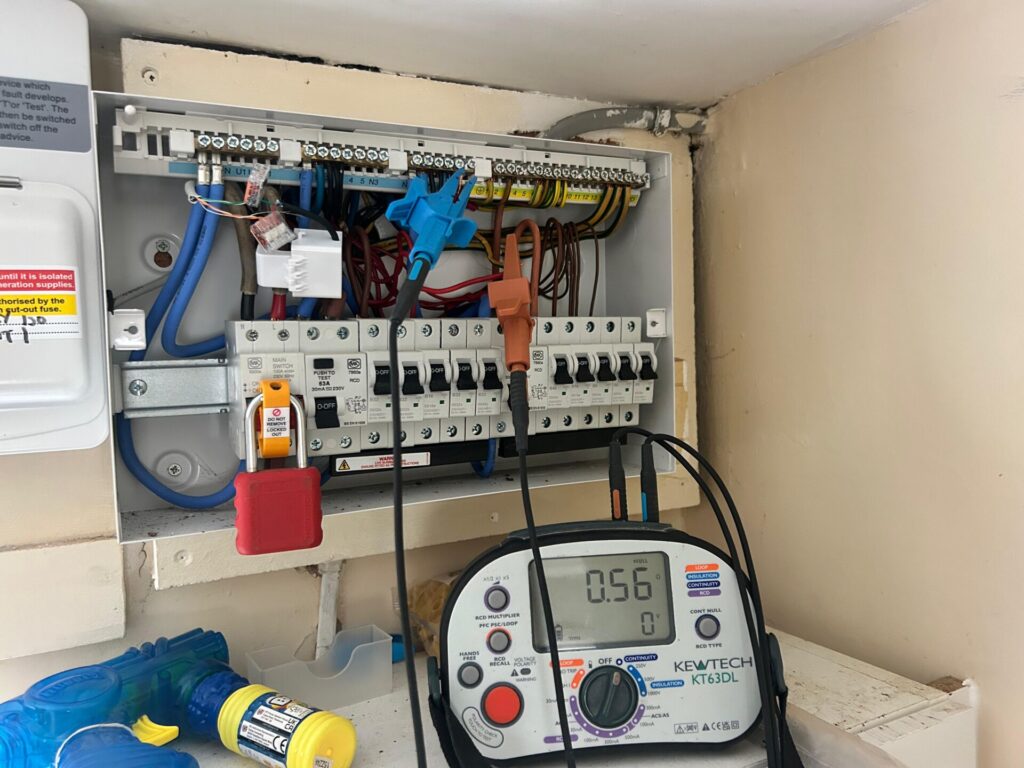


Electrical sockets are one of the most frequently used parts of any property’s electrical installation, yet they are often overlooked until something goes wrong. Whether in a family home, rental property or commercial premises, damaged or ageing socket outlets can create safety risks that may only become apparent during an Electrical Installation Condition Report (EICR).
An EICR is designed to assess the safety and condition of the fixed electrical installation, including the socket outlets located throughout the property. During the inspection, each socket is visually checked for signs of damage, overheating, poor installation or general wear and tear. The testing process also verifies that sockets are correctly connected, adequately protected and functioning safely as part of the wider electrical system.
Over time, electrical sockets can become loose through repeated use or suffer damage from accidental impacts and general ageing. Cracked faceplates, burn marks, discolouration or signs of overheating should never be ignored, as they may indicate underlying electrical faults that require professional investigation. In some cases, hidden problems behind the socket can only be identified through specialist testing carried out during an EICR.
Modern electrical regulations
Modern electrical regulations have evolved considerably over the years, meaning older socket installations may not offer the same level of protection expected today. While the presence of older accessories does not automatically make an installation unsafe, an EICR helps determine whether they remain suitable for continued use or whether improvements are recommended to enhance safety.
One common issue discovered during inspections is damage caused by poor DIY alterations or incorrectly fitted replacement sockets. Loose terminal connections can generate excessive heat over time, potentially damaging cables and increasing the risk of electrical failure. Identifying these issues early allows repairs to be carried out before they develop into more serious and expensive problems.
Landlord EICR
For landlords, ensuring socket outlets remain safe is an important part of meeting their legal responsibilities. Tenants rely on sockets every day to power appliances, chargers and household equipment, making it essential that the electrical installation remains in satisfactory condition. An up-to-date EICR provides reassurance that appropriate testing has been completed and that any identified defects have been properly documented.
Homeowners can also benefit from periodic inspections, particularly if they have recently moved into an older property or are planning renovation work. An EICR offers valuable insight into the condition of the electrical installation and can reveal hidden faults that would otherwise remain undetected during normal day-to-day use.
At Electra Compliance, we understand that minor defects found during an EICR can sometimes prevent an otherwise safe installation from achieving a satisfactory outcome. Where appropriate and at our discretion, we may carry out free minor repairs at the time of testing, including straightforward issues involving switches, sockets or pendant fittings, helping to reduce the inconvenience and cost of arranging a return visit.
Every EICR carried out by Electra Compliance also includes free fusebox servicing at the time of inspection. By checking and tightening connections where appropriate, we aim to help improve the reliability of the installation while identifying potential issues before they develop into larger faults.
If your sockets are damaged, loose, discoloured or simply several decades old, arranging an EICR can provide valuable peace of mind. The inspection gives you a professional assessment of the overall condition of your electrical installation while ensuring that any concerns involving socket outlets are properly identified, explained and, where possible, resolved efficiently.
What Is an EICR?
An EICR, or Electrical Installation Condition Report, is a professional inspection and test of a property’s fixed electrical installation. Its purpose is to determine whether the electrical system is safe for continued use and to identify any defects, deterioration or damage that could present a risk to the occupants.
The inspection covers the permanent wiring within the building, including consumer units, electrical sockets, switches, lighting circuits, earthing arrangements and protective devices. Using specialist testing equipment, an electrician carries out a series of checks to confirm that the installation is operating correctly and complies with current safety standards where applicable.
During the assessment, any issues found are recorded using nationally recognised classification codes. These codes indicate the severity of the defect and whether remedial work is required before the installation can be considered satisfactory. Not every observation means a property is dangerous, but an EICR provides a clear picture of the overall condition of the electrical system and highlights where improvements may be needed.
For landlords, regular EICRs are a legal requirement for most privately rented properties and help demonstrate compliance with electrical safety legislation. Homeowners are also encouraged to have their installation inspected periodically, particularly if the property is older, has recently undergone alterations or has not been tested for many years.
An EICR is not simply a pass or fail exercise. It is a comprehensive health check of your property’s electrical installation, designed to identify potential problems before they become serious safety hazards and to provide confidence that the electrics are suitable for continued use.