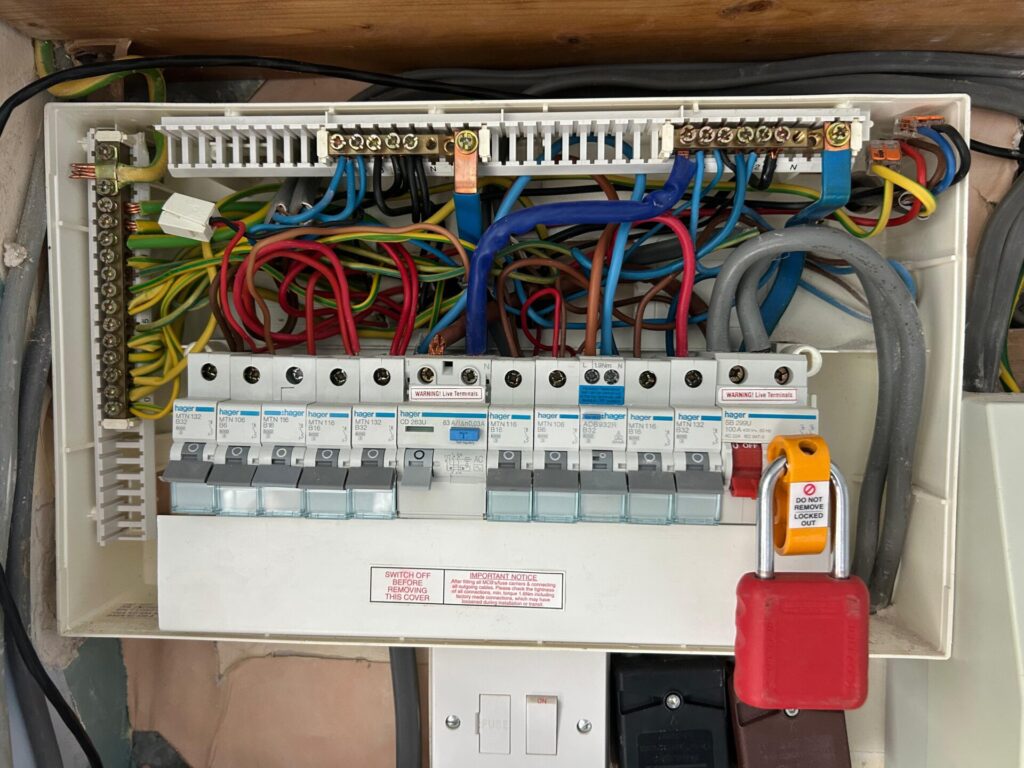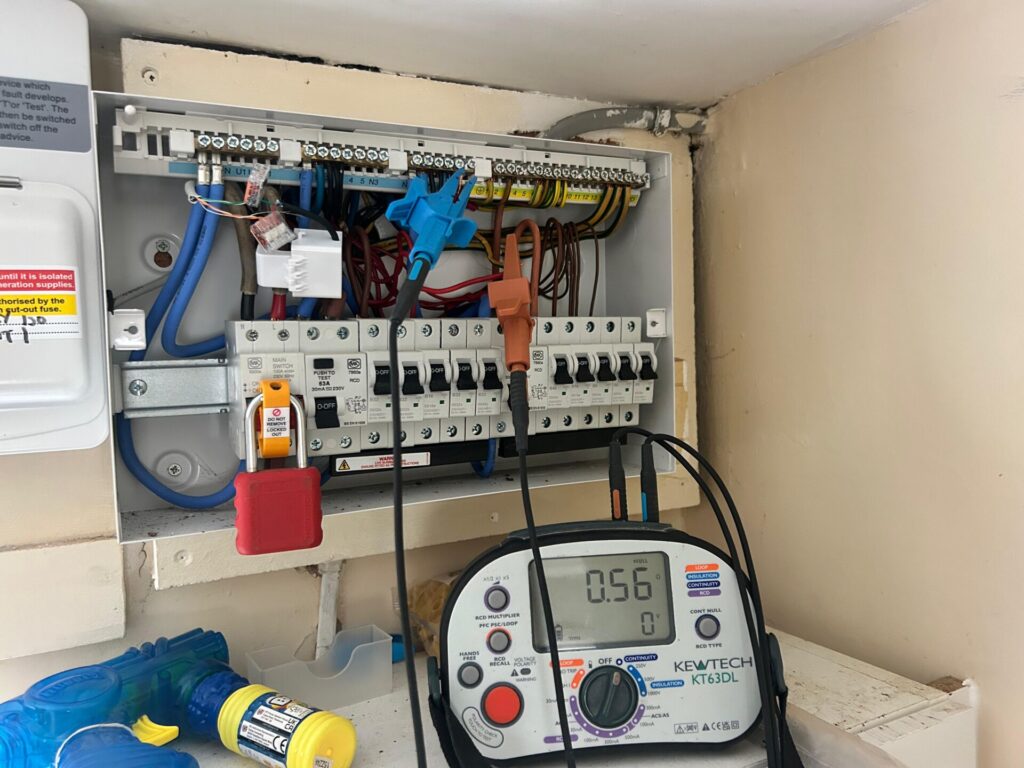


An Electrical Installation Condition Report, more commonly known as an EICR, is a detailed inspection and assessment of a property’s electrical installation. The purpose of the report is to determine whether the electrical system within a home, rental property or commercial building is safe for continued use and compliant with current wiring regulations.
During an EICR inspection, a qualified electrician will test and assess key parts of the electrical system including consumer units, fuse boards, sockets, switches, lighting circuits, earthing, bonding and fixed wiring throughout the property. The inspection is designed to identify hidden faults, signs of deterioration, overloaded circuits, outdated electrical components and any potential fire or electric shock risks.
Electrical systems naturally deteriorate over time. Wiring can become damaged, connections may loosen, older fuse boards may no longer meet modern safety standards and DIY alterations can create serious hazards without the homeowner even realising. An EICR helps uncover these issues before they become dangerous.
Why Are EICR Reports Important?
An EICR is important because electricity can be extremely dangerous when faults develop within an installation. Problems hidden behind walls, ceilings or consumer units are often impossible to spot without professional testing equipment and inspection methods.
One of the main reasons EICRs are carried out is to reduce the risk of electrical fires and electric shock. Faulty wiring, overloaded circuits and damaged accessories can all create heat build-up and arcing, which may eventually lead to serious incidents within a property. An EICR allows these issues to be identified early before they escalate into costly or dangerous failures.
For homeowners, an EICR provides reassurance that the property’s electrics remain safe and fit for everyday use. Many older homes across the UK still contain ageing wiring systems or outdated consumer units that may no longer comply with modern regulations. Regular inspections help ensure these systems are properly maintained and operating safely.
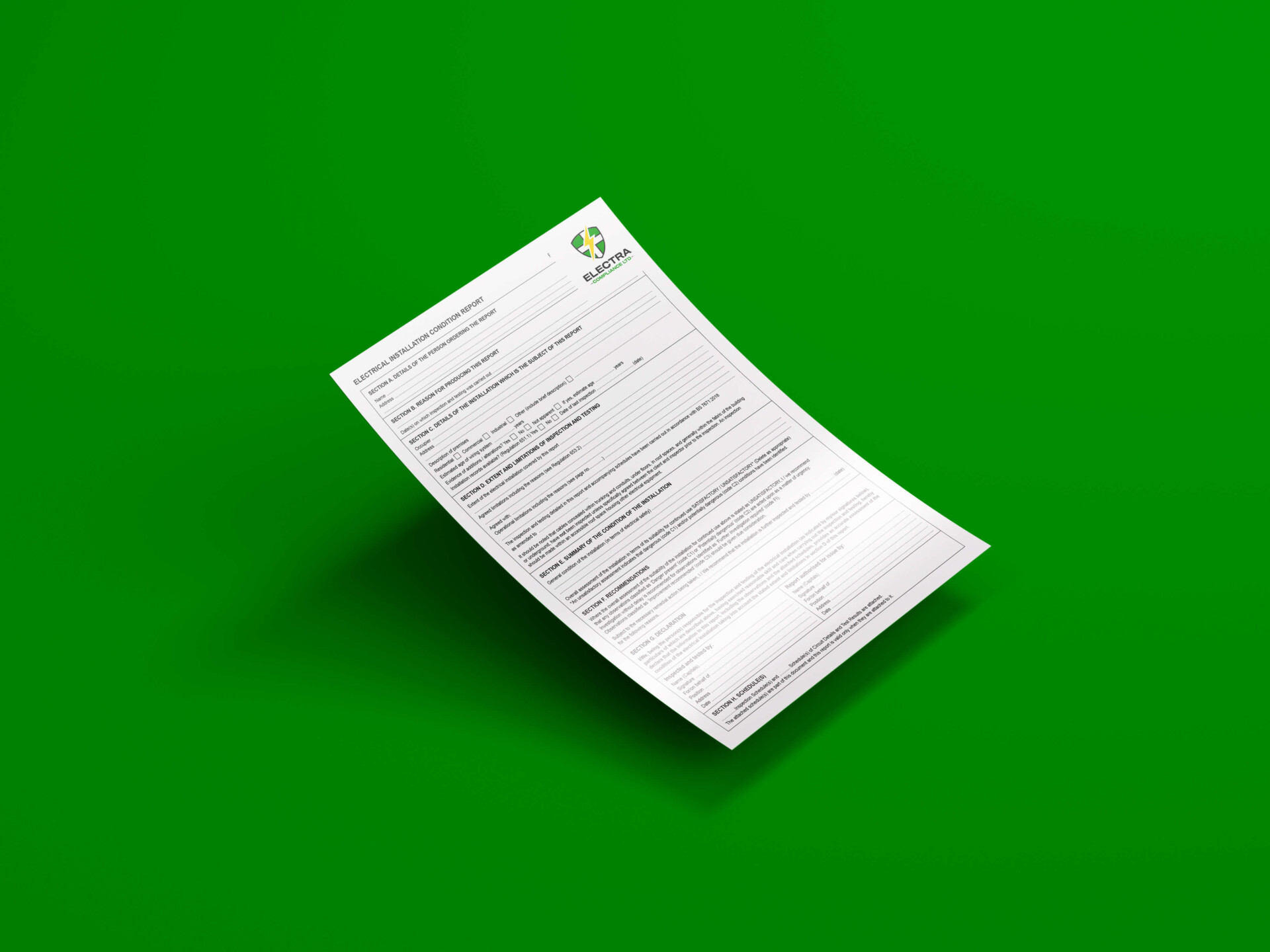
EICR Certification report devon
For landlords, EICR reports are even more important because there is a legal responsibility to ensure tenants are protected from electrical hazards. In England, landlords must have rental properties inspected at least every five years and provide tenants with a copy of the report. Failure to comply can result in significant fines and legal consequences.
Commercial premises also benefit from regular EICR inspections. Businesses rely heavily on electrical systems every day and faults can create health and safety risks, equipment damage, operational downtime and insurance complications. Routine inspections help businesses maintain compliance while protecting staff, visitors and property.
What Does An Electrician Check During An EICR?
An EICR involves both visual inspection and electrical testing. The electrician will assess the overall condition of the installation and check whether the system meets current BS 7671 wiring regulations.
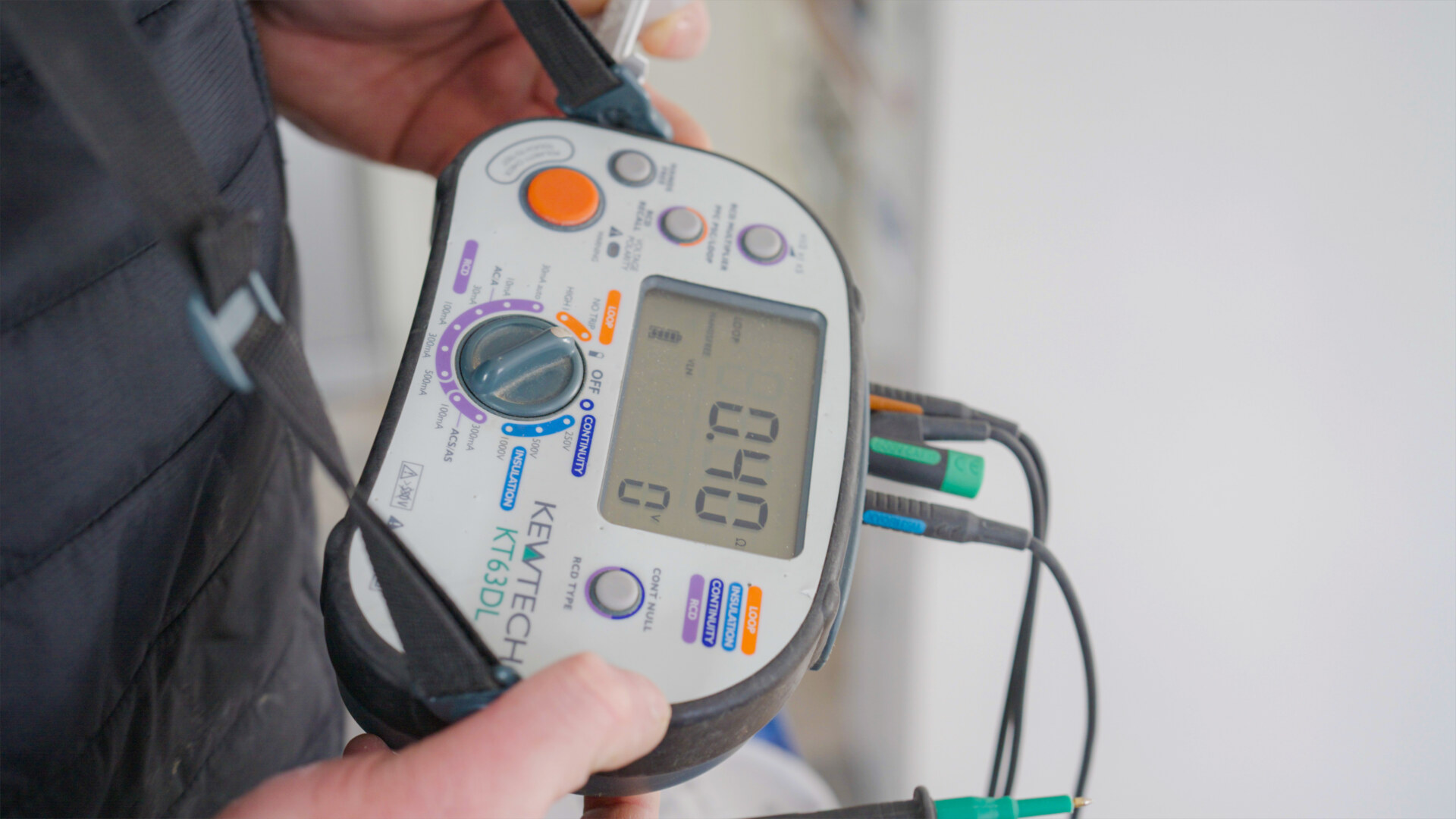
The inspection normally includes testing sockets, lighting circuits, consumer units, RCD protection, earthing arrangements and bonding connections. Electricians also test the integrity of circuits and insulation resistance to identify faults that cannot be seen visually.
EICR certificates in east devon 11
The report will then classify any issues discovered using industry standard observation codes. A C1 code indicates immediate danger and requires urgent action. A C2 code means a potentially dangerous issue has been identified. An FI code means further investigation is required, while C3 simply recommends improvement rather than immediate repair.
Once completed, the report will be marked either “Satisfactory” or “Unsatisfactory” depending on the condition of the installation and the severity of any faults identified.
How Often Should An EICR Be Carried Out?
The recommended frequency of an EICR depends on the type of property and how it is used.
For most owner occupied homes, an inspection is generally recommended every 10 years. Rental properties should usually be inspected every 5 years or at the change of tenancy. Commercial premises may require more frequent inspections depending on the environment, occupancy and nature of the electrical installation.
Older properties or buildings with signs of electrical issues may benefit from more regular inspections. Properties that have undergone poor quality DIY electrical work or frequent alterations can also present higher risks and should be assessed sooner.
The Benefits Of Having An EICR
An EICR is not simply about meeting regulations. It is about protecting people and property from avoidable electrical risks. Identifying faults early can help prevent expensive repairs, reduce the chance of electrical failure and improve the overall safety of the building.
For landlords, an up-to-date EICR demonstrates compliance with current legislation and provides evidence that reasonable steps have been taken to protect tenants. For homeowners, it offers peace of mind and reassurance that the electrical installation remains in good condition.
An EICR can also be useful when buying or selling a property. Buyers often want confidence that the electrics are safe and modern enough to avoid costly remedial work shortly after moving in.
Ultimately, electrical installations should never simply be ignored until something fails. Like boilers, roofs or plumbing systems, electrics require regular inspection and maintenance to remain safe over time. An EICR provides a professional assessment of the condition of the installation and helps ensure the property remains electrically safe for continued use.