

An Electrical Installation Condition Report is a detailed inspection and testing process used to assess the safety and condition of a property’s fixed electrical installation. Across homes, rented properties and residential buildings throughout Honiton and the surrounding East Devon area, Electrical Installation Condition Reports are commonly arranged by landlords, homeowners, letting agents and property buyers who need a clearer understanding of electrical safety within a building.
An EICR is not simply a quick visual check. It involves a structured assessment of the installation, combining visual inspection with electrical testing where appropriate. The aim is to identify deterioration, defects, unsafe conditions, non-compliances and potential hazards which could affect the continued safe use of the electrical system.
Electrical installations can deteriorate gradually due to age, wear, moisture, previous alterations, increased electrical demand or poor workmanship. In many cases, faults may remain hidden behind normal day-to-day use until a problem develops. An EICR helps highlight these issues before they become more serious, giving property owners practical information about the condition of the installation and any remedial work that may be required.
What Is Checked During An EICR?
During an EICR, the electrical installation is assessed in several key areas. The exact level of testing may vary depending on the type, age and accessibility of the property, but the inspection normally includes consumer units, circuits, sockets, switches, protective devices, earthing arrangements and visible wiring systems. The final report will usually include coded observations, helping explain the seriousness of any defects found.
Inspection Process
The inspection process begins with a careful assessment of the property’s existing electrical installation. This includes reviewing the general layout of the system, identifying the consumer unit, checking accessible electrical accessories and looking for signs of damage, deterioration, overheating, unsuitable alterations or poor installation practices. The electrician will assess whether the installation appears suitable for continued use and whether any immediate safety concerns are visible.
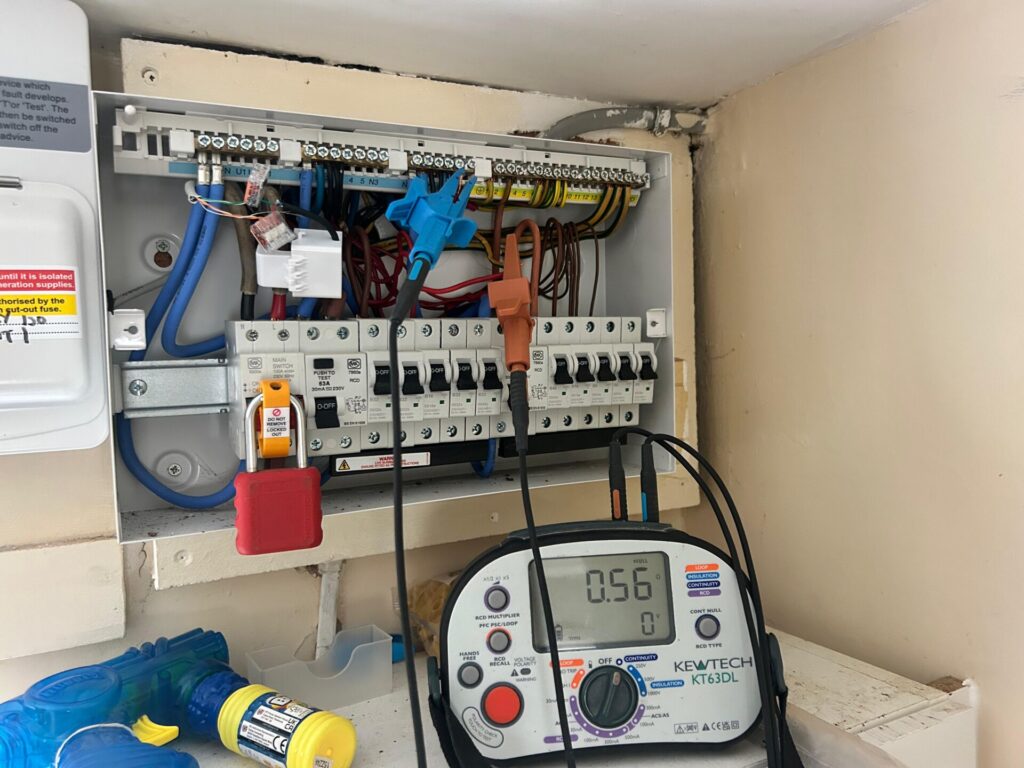
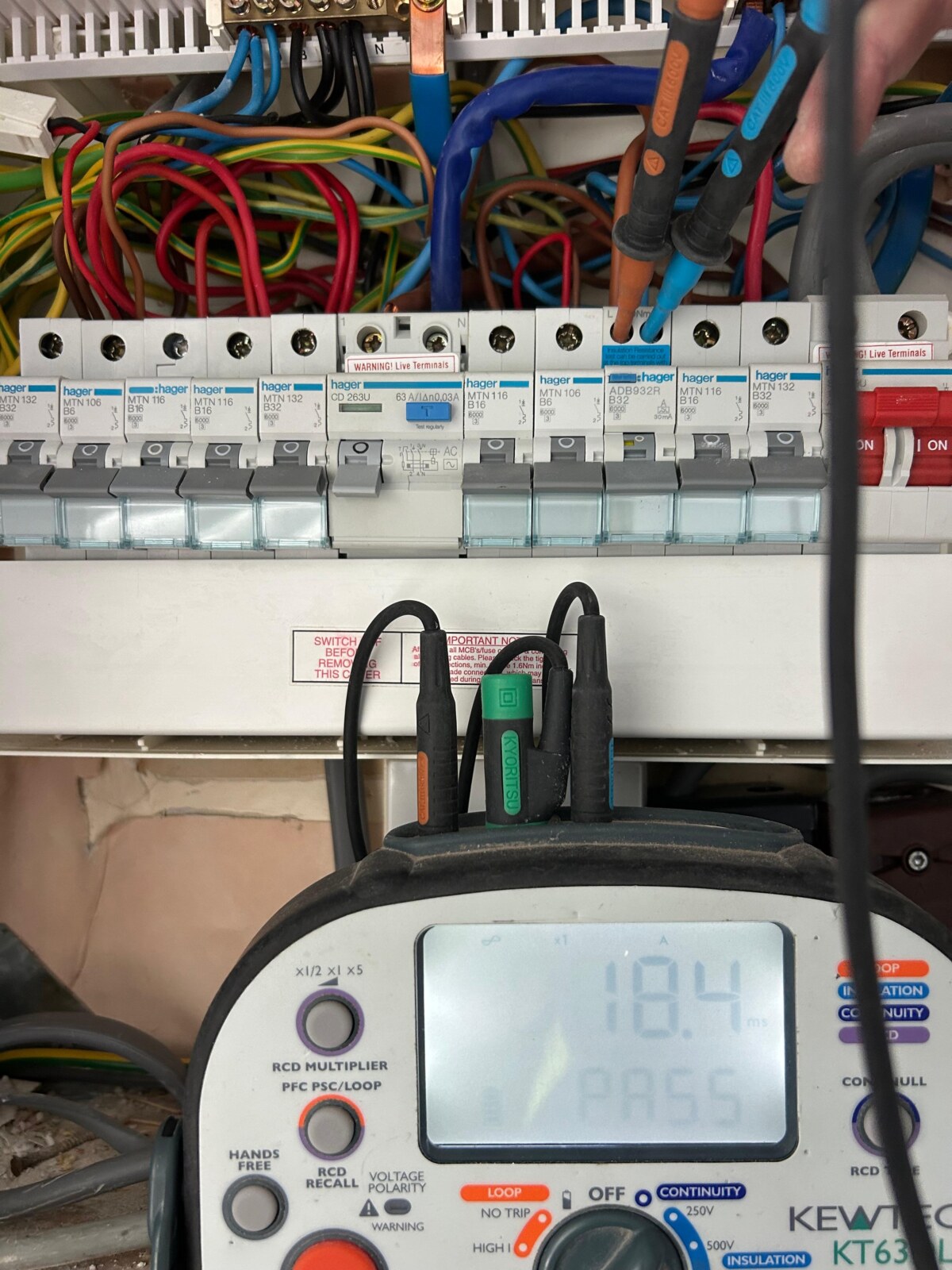
Testing may then be carried out to check the performance and condition of the installation beyond what can be seen visually. This can include checks for continuity, insulation resistance, polarity, fault protection and operation of safety devices. The purpose is to build a clearer picture of how the electrical system is performing and whether it provides appropriate protection against electric shock, fire risk and fault conditions.
Electrical Circuits
Electrical circuits are one of the main areas assessed during an EICR. Each circuit within the property supplies different parts of the installation, such as lighting, sockets, heating equipment, cookers, showers or external supplies. During the inspection, circuits may be tested to confirm they are correctly installed, suitably protected and safe for continued use.
Problems can occur where circuits have been overloaded, altered incorrectly, extended without proper testing or damaged over time. An EICR can help identify issues such as inadequate cable sizing, poor connections, excessive load, damaged wiring or circuits which no longer meet appropriate safety expectations. This is particularly important in older homes where electrical demand has increased significantly compared with when the installation was first fitted.
Consumer Units
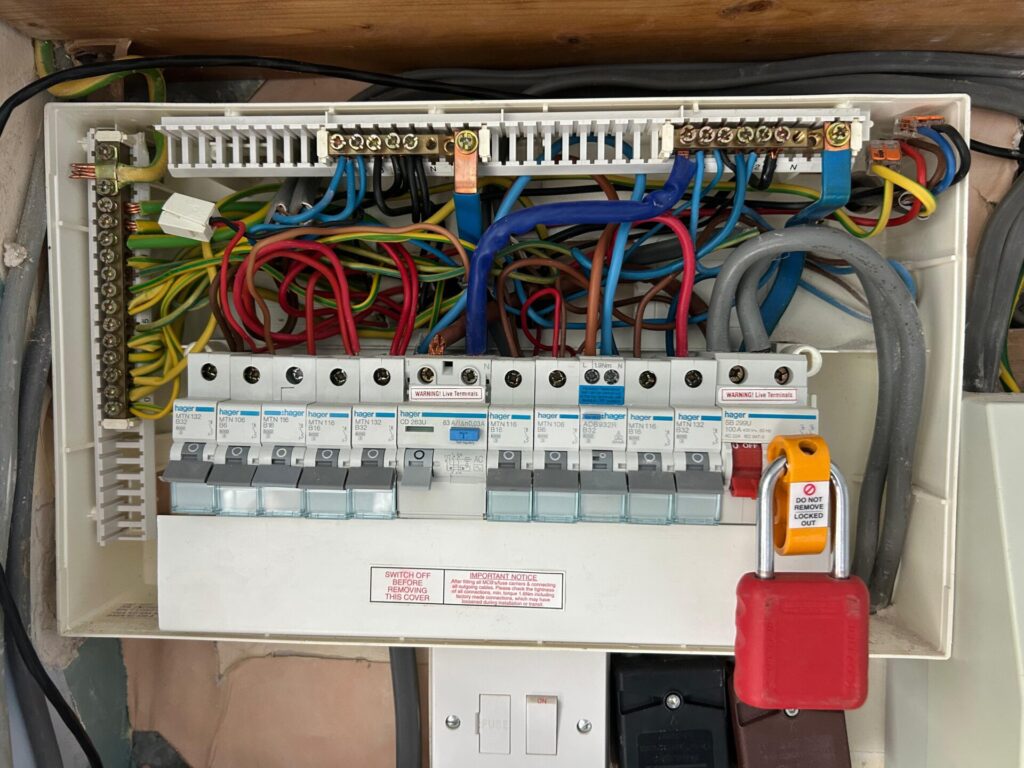
The consumer unit, often referred to as the fuse board, is a central part of the electrical installation. It distributes electricity around the property and contains the protective devices designed to disconnect power in the event of a fault. During an EICR, the consumer unit is inspected to assess its condition, suitability, labelling, accessibility and level of protection.
EICR on Consumer Unit
Older consumer units may not provide the same level of protection expected from modern installations, particularly where RCD protection is missing or limited. The inspection may identify issues such as damaged enclosures, signs of overheating, poor labelling, unsuitable circuit protection, missing blanks or outdated equipment. While an older consumer unit does not automatically mean the installation is unsafe, it may raise observations depending on its condition and the level of protection provided.
Protective Devices
Protective devices are designed to help reduce the risk of electric shock, overheating and electrical fire by disconnecting the supply when a fault occurs. These may include circuit breakers, fuses, RCDs and RCBOs depending on the age and design of the installation. During an EICR, these devices are checked to ensure they are suitable for the circuits they protect and capable of operating correctly when required.
If protective devices are incorrectly rated, damaged, outdated or not functioning properly, they may fail to provide adequate protection during a fault. This can increase the risk of overheating, electric shock or fire. Testing protective devices is therefore an important part of understanding whether the electrical installation can respond safely under fault conditions.
Earthing Systems
Earthing is a vital safety feature within an electrical installation. It provides a route for fault current to travel safely so that protective devices can operate correctly. During an EICR, the earthing arrangement is assessed to help confirm that the installation has suitable fault protection and that exposed conductive parts are properly connected where required.
Inadequate or missing earthing can create serious safety risks, particularly where metal fittings, appliances or electrical accessories could become live during a fault. The inspection may include checks on the main earthing conductor, bonding arrangements and the overall suitability of the earthing system. These checks are especially important in older properties where earthing arrangements may have been altered, damaged or installed to previous standards.
Switches
Switches are inspected as part of the wider assessment of electrical accessories throughout the property. Although they may appear simple, damaged or poorly installed switches can indicate wider problems within the installation. During an EICR, accessible switches may be checked for condition, secure fixing, signs of overheating, cracking, unsuitable placement or poor workmanship.
Loose switches, damaged faceplates or signs of heat damage should not be ignored, as they may point to poor connections or excessive load. In some cases, switch wiring can also reveal historic alterations or unsafe additions. The inspection helps determine whether these accessories remain safe and suitable for continued everyday use.
Sockets
Socket outlets are heavily used in most homes and rental properties, making them an important part of an EICR inspection. Sockets may be checked visually and tested where appropriate to confirm correct polarity, secure fixing, condition and suitability. The electrician may also look for signs of overheating, damage, loose accessories, incorrect installation or overloading.
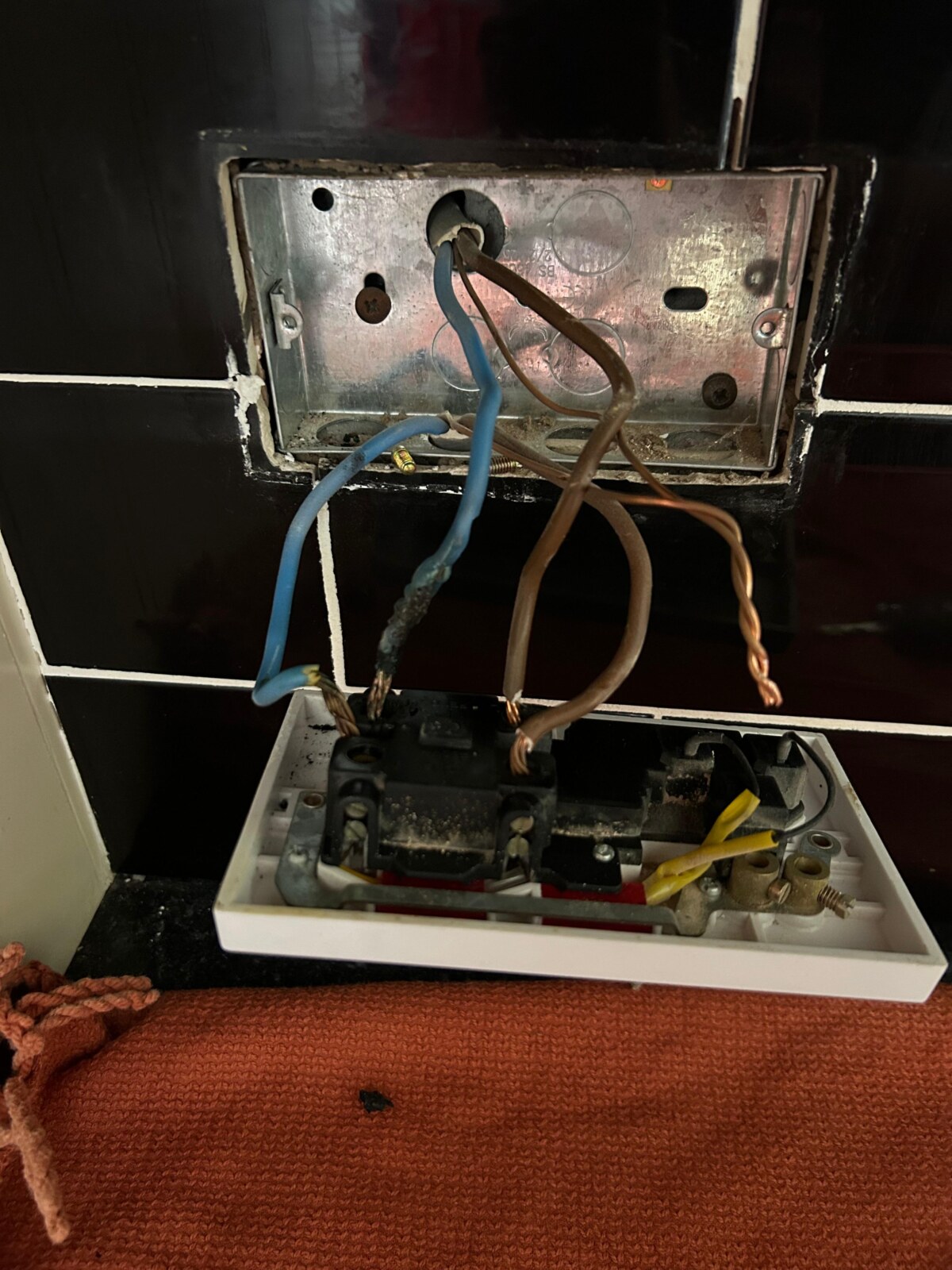
faulty cooker circuit repair electrical eicr
Modern homes often place far greater demand on socket circuits than older installations were originally designed for. Extension leads, multiple adaptors and additional appliances can place extra strain on circuits, particularly where socket provision is limited. An EICR can help identify whether socket circuits remain safe and whether any defects or improvements should be addressed.
Accessible Wiring
Accessible wiring is inspected where it can be safely viewed without unnecessary disruption to the property. This may include visible cabling near the consumer unit, wiring connected to accessories, surface-mounted cables, loft areas, outbuildings or other areas where electrical wiring is accessible. The aim is to identify damage, deterioration, unsuitable cable routes, poor support, overheating or signs of previous unsafe alterations.
Not all wiring within a property can be seen during an EICR, as much of it may be hidden behind walls, floors or ceilings. However, visible sections can provide useful evidence about the age, condition and quality of the installation. Where testing suggests hidden problems may exist, the report can help guide further investigation or remedial work.
Clear Reporting And Practical Recommendations
Once the inspection and testing has been completed, the findings are recorded within the Electrical Installation Condition Report. Any observations are usually given classification codes depending on the level of risk. More serious issues may require urgent remedial action, while less severe observations may recommend improvement or further monitoring.
Electra Compliance provides EICR inspections, electrical safety certificates, fault finding and domestic electrical compliance services throughout Honiton and surrounding East Devon areas. Reports are prepared clearly, with practical recommendations designed to help landlords, homeowners and property managers understand the condition of their electrical installation without unnecessary confusion or upselling.