

A Domestic Electrical Installation Condition Report (EICR) is a detailed assessment of a home’s fixed electrical system, designed to establish whether the installation remains safe for continued use. Throughout Honiton and the wider East Devon area, homeowners, landlords, letting agents and prospective buyers regularly arrange Electrical Installation Condition Reports to gain a clearer understanding of the condition and safety of a residential property’s electrical installation.
Unlike a simple visual inspection, a domestic EICR combines detailed observations with electrical testing to identify defects, deterioration, ageing components, inadequate protection measures and potential hazards that may not be immediately obvious during everyday use. The inspection provides valuable information about the overall condition of the installation and highlights whether any remedial work may be required.
Many domestic electrical systems have evolved over decades, with extensions, kitchen refurbishments, replacement consumer units, garden buildings and additional circuits added over time. While these alterations may appear functional, hidden defects can develop due to age, wear, moisture ingress, poor workmanship or changing electrical demands. A domestic EICR helps uncover these issues before they lead to equipment failure, electric shock or fire risks.
How Does A Domestic EICR Differ From An Industrial EICR?
While the core principles of inspection and testing remain similar, domestic Electrical Installation Condition Reports differ significantly from those carried out in commercial and industrial environments. Domestic inspections focus primarily on household circuits, socket outlets, lighting systems, showers, cookers, consumer units and earthing arrangements.
Industrial inspections often involve three-phase distribution systems, machinery supplies, motor control equipment, industrial switchgear, production equipment, containment systems and specialist protective devices. Residential properties are generally less complex, but the importance of electrical safety remains exactly the same, particularly where families, tenants and visitors rely on the installation every day.
Consumer Units And Domestic Circuit Protection
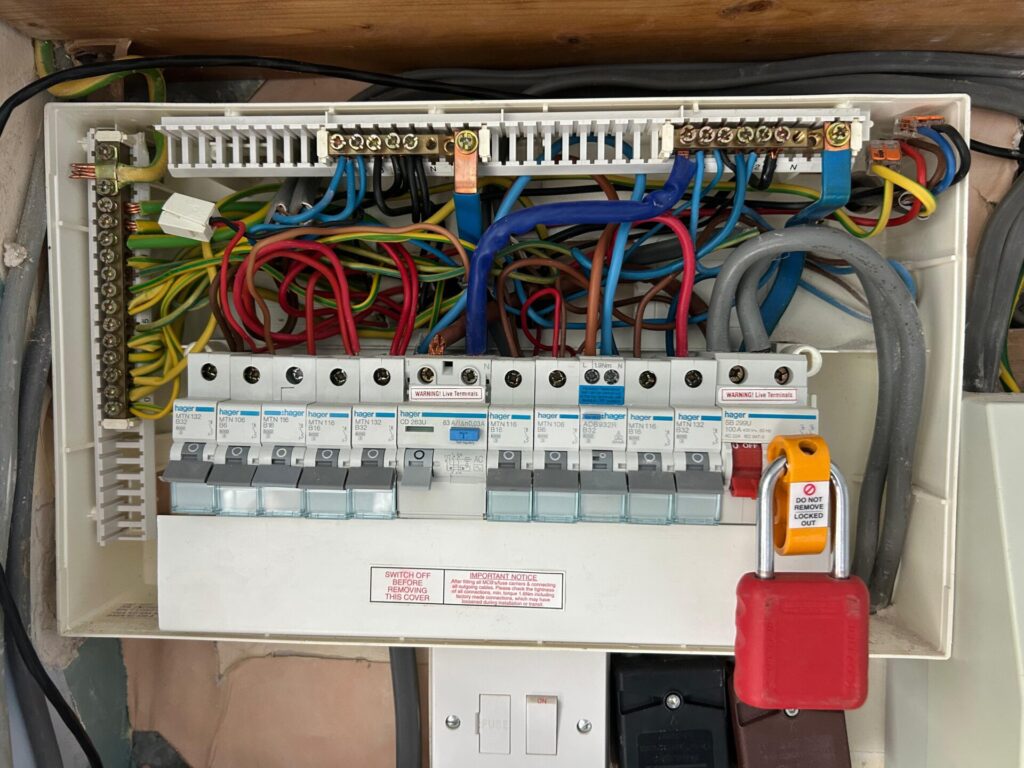
The consumer unit, commonly referred to as the fuse board, acts as the central distribution point for electricity throughout the home. During a domestic EICR, the consumer unit is examined to assess its condition, suitability, accessibility and level of protection provided to the installation.
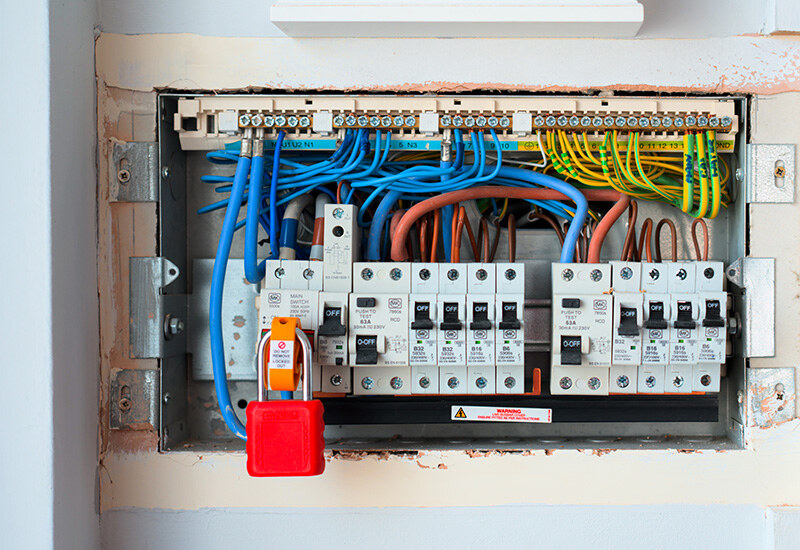
Services consumer unit upgrades east devon
Particular attention is paid to modern safety requirements, including the presence of RCD or RCBO protection. Older fuse boards may still operate correctly but may not provide the same level of fault protection expected in more modern installations. Missing blanks, damaged enclosures, signs of overheating, poor labelling or unsuitable modifications may all be identified during inspection.
Lighting Circuits
Lighting circuits are routinely assessed during a domestic EICR. These circuits supply internal and external lighting throughout the property and are checked for correct protection, continuity and overall condition.
Older lighting circuits can sometimes reveal historic alterations, mixed wiring methods, damaged fittings or inadequate earthing arrangements. While lighting systems in domestic properties are generally less demanding than industrial installations, faults within lighting circuits can still present significant safety concerns if left unresolved.
Socket Outlet Circuits
Modern households place considerable demand on socket circuits due to the increasing number of electrical appliances found in everyday use. During a domestic EICR, socket circuits are inspected and tested to confirm they remain suitable, adequately protected and correctly installed.
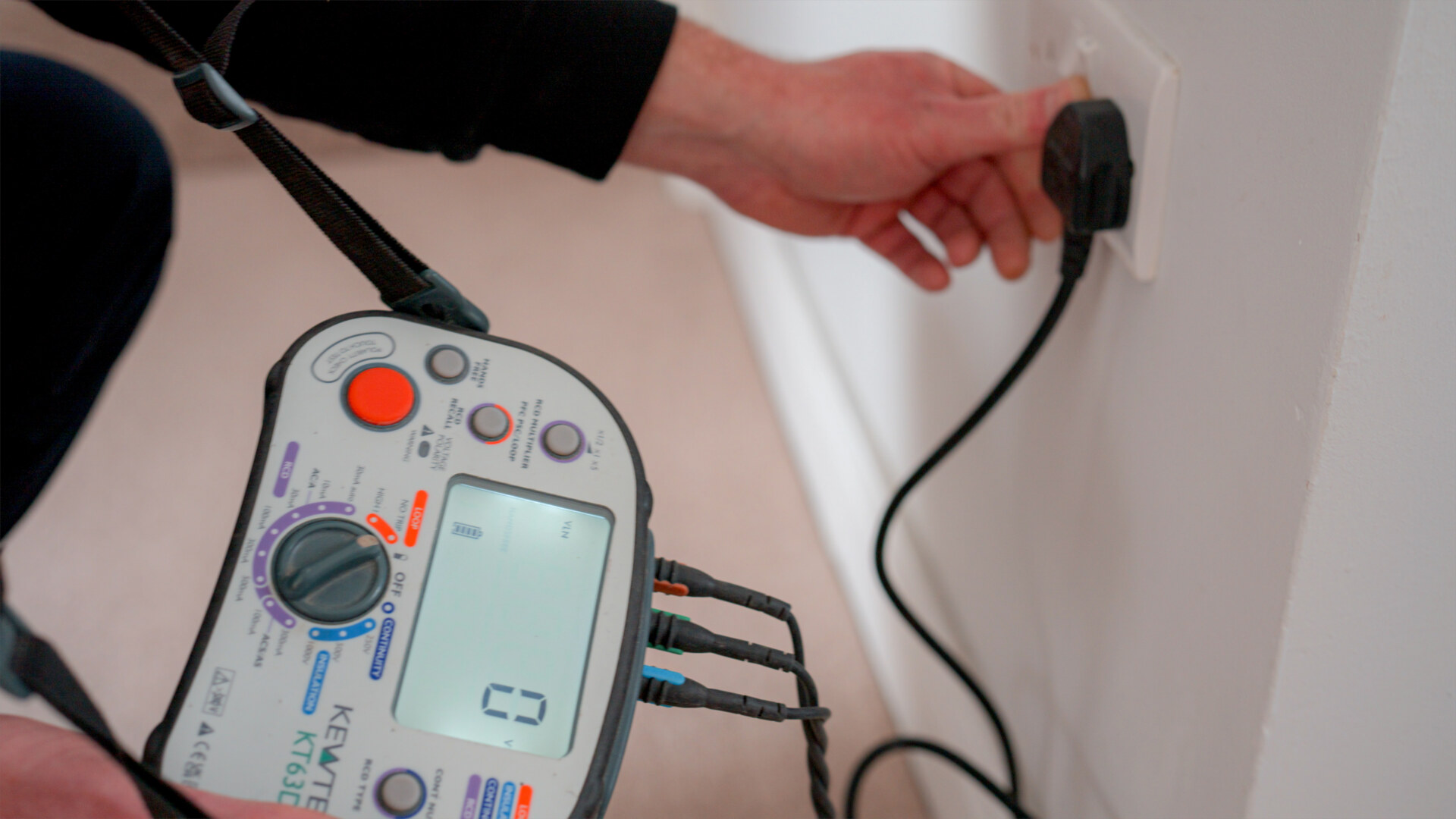
EICR certificates in East Devon
Electricians may identify issues such as overloaded circuits, loose connections, damaged accessories, poor-quality alterations or signs of overheating. Homes that have undergone multiple extensions or renovations may occasionally contain additions that have not been fully tested or certified when originally installed.
Kitchen And Cooker Circuits
Kitchens often contain some of the highest electrical loads within a domestic property. Electric ovens, induction hobs, dishwashers, washing machines and other appliances can place significant demand on electrical circuits.
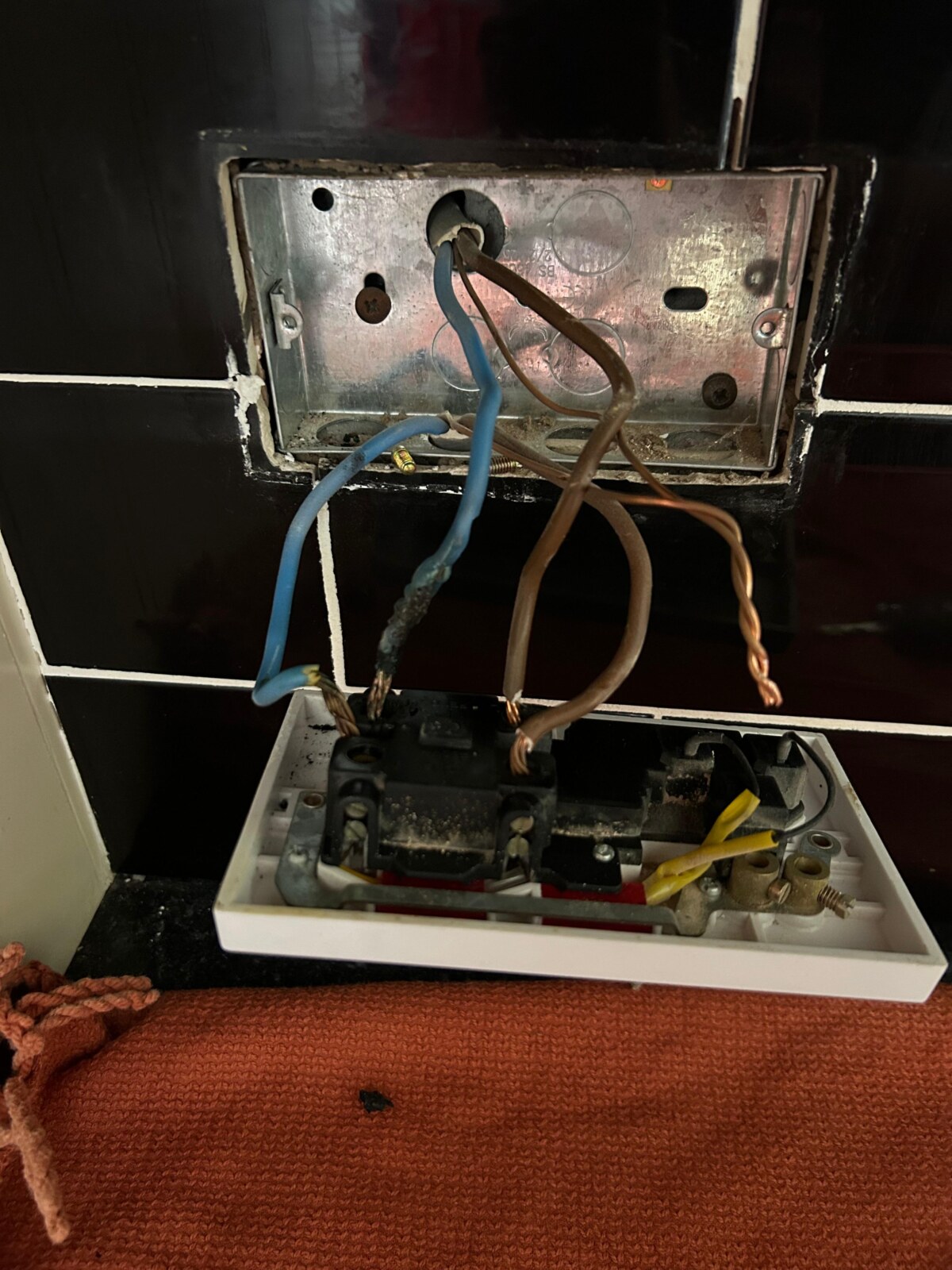
faulty cooker circuit repair electrical EICR
During an EICR, cooker supplies and kitchen circuits may be assessed to ensure cable sizes, protective devices and installation methods remain suitable for their intended use. This differs from industrial inspections, where much larger equipment and machinery supplies are typically involved.
Electric Shower Circuits
Electric showers frequently operate on dedicated high-current circuits. These circuits require careful assessment due to the substantial electrical load involved and the presence of water within the environment.
Testing may identify undersized cabling, inadequate protection, damaged isolators or signs of overheating that could affect safe operation. Particular attention is given to compliance with safety requirements for electrical installations located within bathrooms.
Earthing And Bonding Arrangements
Earthing and bonding systems form a critical part of domestic electrical safety. These arrangements help ensure that protective devices operate correctly during fault conditions and reduce the risk of electric shock.
During a domestic EICR, the main earthing conductor, gas bonding, water bonding and associated protective conductors are assessed where accessible. Older properties can sometimes reveal missing or undersized bonding conductors that no longer satisfy modern safety expectations.
While industrial installations may incorporate complex earthing networks and specialist equipment, the underlying objective remains the same — providing a safe path for fault current and ensuring effective disconnection when faults occur.
RCD Testing
Residual Current Devices (RCDs) provide additional protection against electric shock and certain types of electrical faults. Modern domestic installations rely heavily on RCD protection, particularly for socket circuits, outdoor supplies and circuits serving bathrooms.
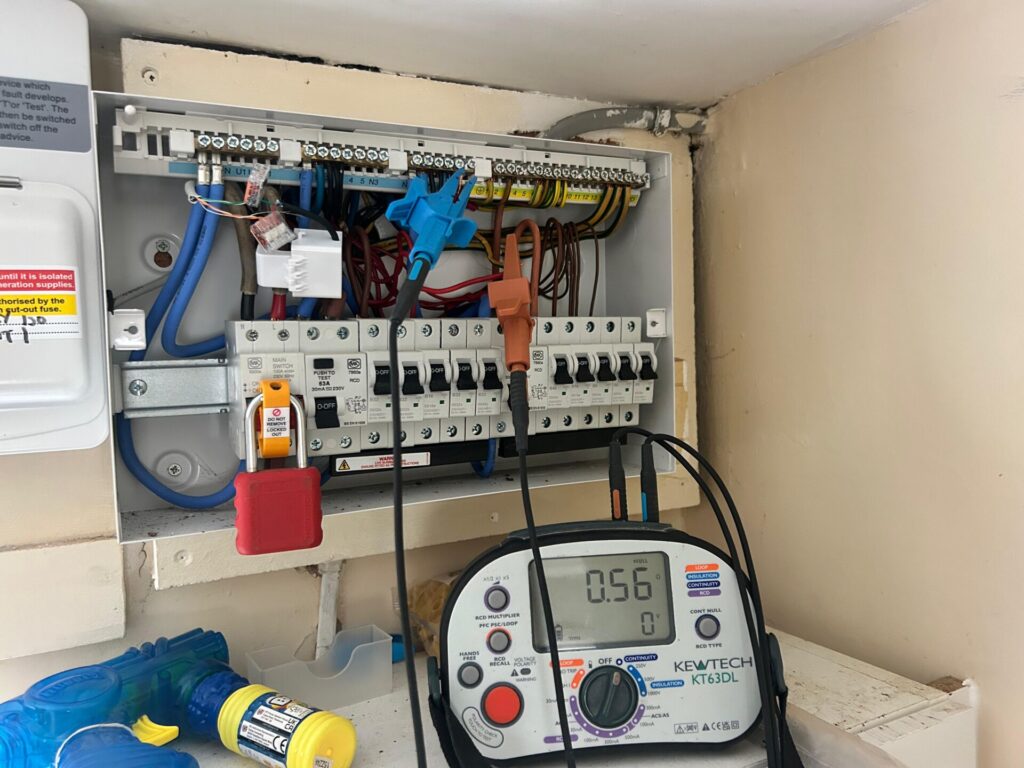
During testing, RCDs are checked to confirm they operate within acceptable disconnection times. Faulty, damaged or missing RCD protection may result in observations being recorded within the report.
Accessible Wiring And Visible Installation Components
Where wiring can be safely accessed without causing damage to the property, visual inspections are carried out to assess its condition. This may include loft spaces, garages, under-stair cupboards, outbuildings, utility rooms and visible cable runs near the consumer unit.
The inspection looks for signs of deterioration, poor workmanship, overheating, mechanical damage, unsupported cables or alterations that may affect safety. Although much of a domestic installation remains concealed behind walls, visible sections often provide useful information about the overall quality and condition of the electrical system.
Outdoor Supplies And Garden Installations
Modern homes increasingly include outdoor electrical equipment such as garden lighting, sheds, home offices, EV charging points and external socket outlets. These installations may also be included within the scope of a domestic EICR where accessible.
Because outdoor electrical equipment is exposed to weather and environmental conditions, particular attention may be paid to cable protection, enclosure integrity and suitable fault protection arrangements.
Understanding The Final EICR Report
Once inspection and testing has been completed, the findings are documented within the Electrical Installation Condition Report. Any observations are assigned classification codes according to their level of severity.
Potentially dangerous defects requiring urgent attention, items that could become dangerous under fault conditions, recommendations for improvement and situations requiring further investigation may all be recorded within the report. This provides homeowners, landlords and property managers with a clear overview of the installation’s condition and any actions that may be necessary.
Electra Compliance provides EICR inspections, domestic electrical safety certificates, fault-finding services and electrical compliance inspections throughout Honiton and the surrounding East Devon area. Reports are prepared in a clear and straightforward format, helping property owners understand the condition of their electrical installation and make informed decisions regarding any recommended remedial work.