


Portable Appliance Testing (PAT Testing) helps ensure that electrical equipment used in workplaces, rental properties and public environments remains safe to operate. Items such as kettles, computers, extension leads, power tools and office equipment are moved, plugged in and unplugged frequently, which means cables and plugs can become damaged over time. Regular inspection and testing helps identify potential problems before they become a safety risk.
Electra Compliance provides professional PAT testing services across Devon for businesses, landlords, offices, workshops and commercial premises. The process involves both visual inspection and specialist electrical testing to confirm appliances are safe to use and correctly protected.
Many electrical faults are visible before they become dangerous. Damaged cables, cracked plugs or loose connections can easily go unnoticed in busy environments. PAT testing identifies these issues early, helping businesses maintain electrical safety standards while reducing the risk of electrical shock, overheating or fire.
For employers and landlords in Devon, regular appliance testing forms part of maintaining a safe environment for staff, tenants and visitors. Proper records of inspection and testing demonstrate that electrical equipment is being maintained responsibly and in line with recognised safety guidance.
Portable Appliance Testing
What is Portable Appliance Testing (PAT Testing)?
Portable Appliance Testing is the process of inspecting and electrically testing portable equipment to confirm it is safe to use. This includes items with plugs such as kettles, computers, printers, extension leads, chargers and power tools. The testing process involves visual checks and specialist measurements to ensure appliances meet electrical safety requirements.
Is PAT testing a legal requirement for businesses?
UK electrical safety legislation requires employers and landlords to ensure that electrical equipment used in workplaces or rental properties is safe. While the law does not specifically state that PAT testing must be carried out, regular inspection and testing is widely recognised as one of the most effective ways to demonstrate that appliances are being maintained safely.
How often should appliances be PAT tested?
The recommended testing frequency depends on the type of equipment and how it is used. Equipment in high-use environments such as workshops, kitchens or construction sites may require more frequent testing than appliances in low-risk office environments. A professional PAT testing service can help determine appropriate testing intervals based on risk and usage.
What happens during a PAT testing visit?
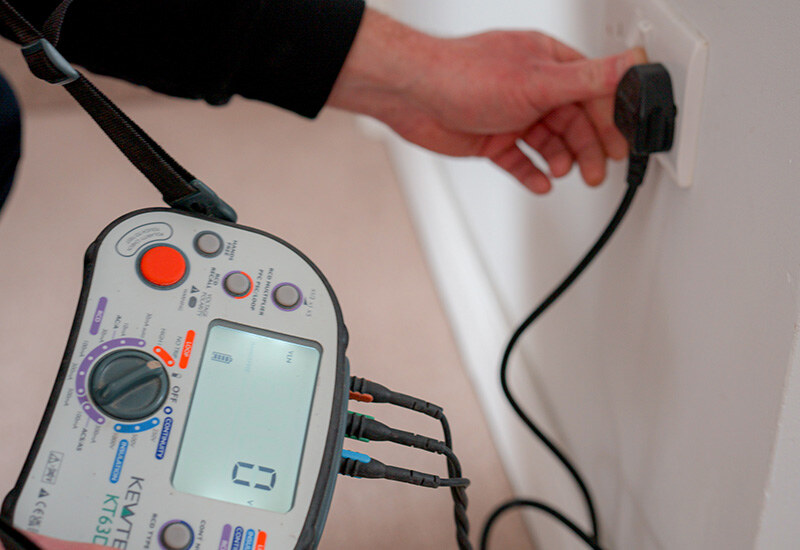
During a PAT testing visit each appliance is visually inspected for signs of damage before being tested with specialist equipment. Cables, plugs, insulation and earth continuity are checked to ensure the appliance is safe. Once testing is complete, appliances are labelled and a record of results is provided for your safety documentation.
Does PAT testing cause disruption to the workplace?
PAT testing is usually quick and efficient, with most appliances taking only a few minutes to inspect and test. Testing can often be scheduled to minimise disruption to normal business operations, allowing equipment to be checked methodically without affecting productivity.
Do I receive documentation after PAT testing?
Yes. After testing is completed you will receive a record of all appliances inspected and their results. This documentation provides clear evidence that electrical equipment has been checked and maintained responsibly, which can be useful for compliance, insurance and workplace safety records.
Can Electra Compliance provide PAT testing across Devon?
Electra Compliance provides PAT testing services for businesses, landlords and organisations throughout Devon. Whether you operate a small office, workshop, rental property or commercial premises, we provide efficient testing, clear reporting and practical advice to help maintain electrical safety standards.
Electra Compliance provides trusted electrical testing, certification, and safety solutions for domestic and commercial clients throughout the local region.



Trusted Electrical Compliance Starts Here
Electrical Installation Condition Reports (EICR)
Electrical systems naturally deteriorate over time, even when a property appears perfectly functional on the surface. Cabling insulation can slowly break down, connections may loosen through years of thermal movement, and older installations often fall behind modern safety expectations. Because most wiring is concealed behind plasterwork or hidden within ceilings and floor voids, faults rarely present obvious warning signs until a failure occurs. An Electrical Installation Condition Report, or EICR, is a comprehensive inspection designed to examine the overall condition, safety and regulatory compliance of the fixed electrical installation within a property.
Rather than being a simple visual check, an EICR provides a structured assessment carried out using professional testing equipment. It identifies deterioration, damage, ageing components and installations that no longer align with current UK wiring standards. The purpose is not only to highlight existing hazards but to give homeowners, landlords and business operators a clear understanding of long-term electrical safety. With this insight, improvements can be planned proactively, reducing the likelihood of electrical fires, unexpected outages or dangerous faults developing unnoticed.
What an Electrical Installation Includes
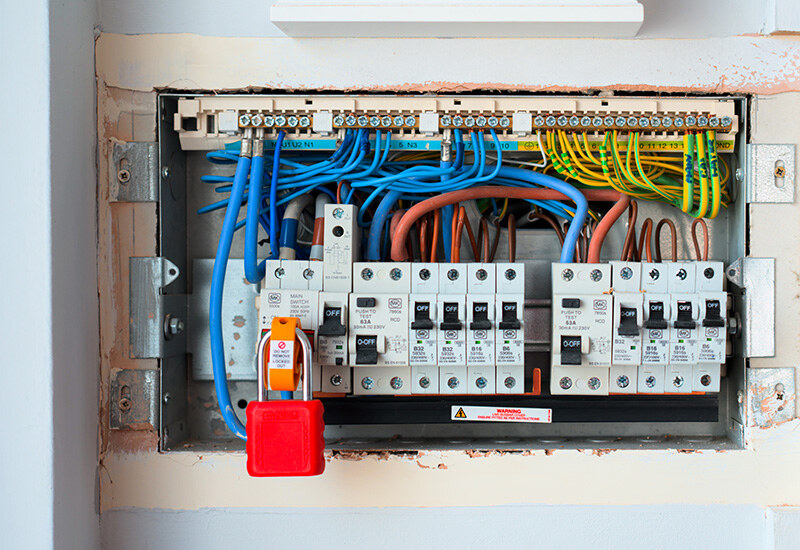
Many property owners assume that electrical inspections focus mainly on the consumer unit or fuse board, but a true EICR looks far deeper than a single piece of equipment. The electrical installation refers to every fixed part of the system responsible for distributing electricity throughout the building. This includes concealed wiring routes, sockets, switches, lighting circuits, earthing arrangements, bonding to metal services, and permanently connected appliances such as electric showers or fixed heating systems.
Portable appliances, extension leads and plug-in devices are not usually included within an EICR because they fall under separate testing procedures. The inspection instead concentrates on the permanent infrastructure that carries power safely around the property. Understanding this distinction is important, as issues hidden within walls or behind fittings can pose far greater risks than anything visible at surface level. By assessing the entire installation rather than isolated components, the report gives a much clearer picture of overall electrical health and long-term reliability.
Why Regular Electrical Inspections Matter
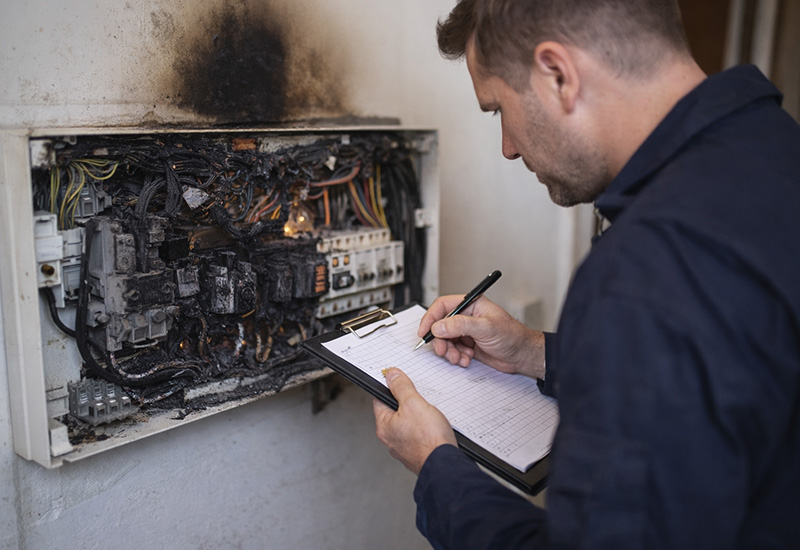
Electrical faults rarely happen overnight. Small problems such as gradual insulation wear, overloaded circuits or outdated protective devices can remain hidden for years before becoming dangerous. Without routine inspection, property owners may be unaware that their installation no longer meets current safety expectations. Regular EICR testing provides an opportunity to detect these early warning signs before they escalate into costly repairs or serious hazards.
In the UK private rented sector, periodic electrical inspection is a legal requirement, typically every five years or at the start of a new tenancy. Landlords must provide tenants with a copy of the report and address any issues identified within the required timescales. Businesses also have responsibilities under health and safety legislation to maintain safe electrical systems within workplaces. While homeowners are not always legally obliged to obtain an EICR, many choose to carry out inspections when purchasing a property, completing renovations or simply ensuring their home remains safe as installations age. Regular inspection offers peace of mind and demonstrates responsible property maintenance.
What Happens During an EICR Inspection
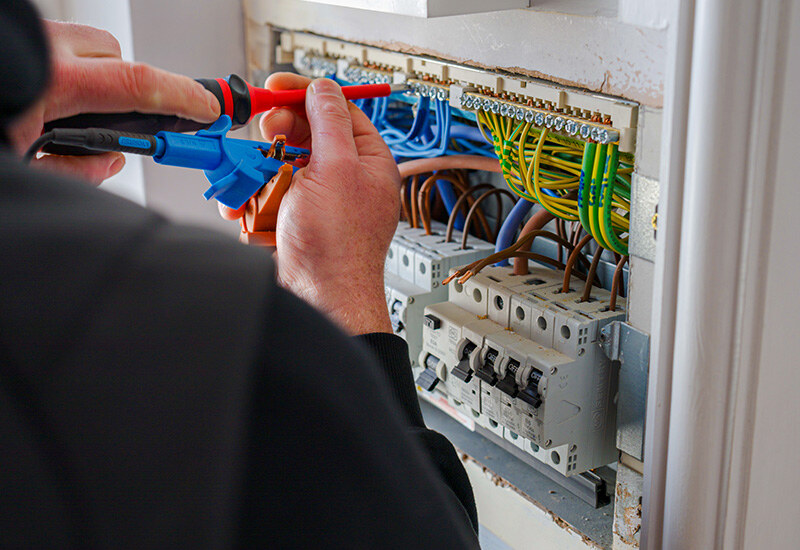
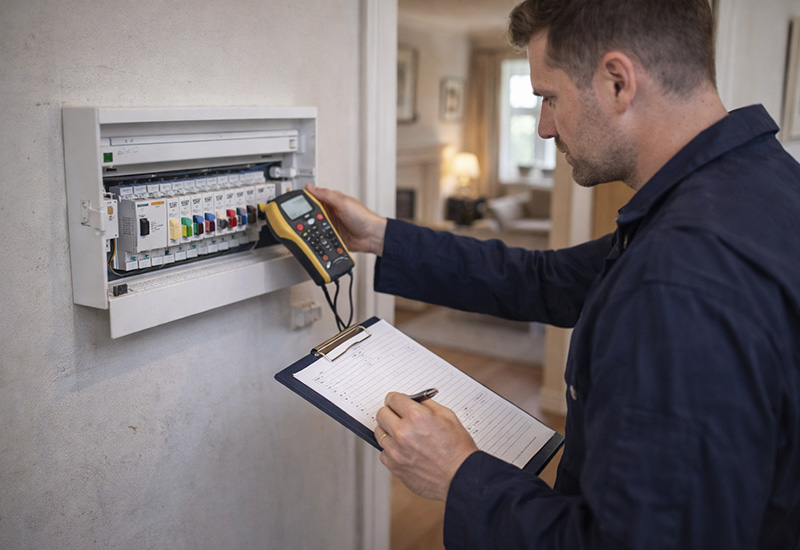
An EICR follows a structured and methodical process rather than a quick walkthrough. The inspection begins with a detailed visual assessment, where the electrician checks for visible signs of overheating, damaged accessories, missing safety features or poor workmanship from previous alterations. From there, a series of electrical tests are carried out using calibrated equipment to measure circuit performance, insulation resistance and the effectiveness of earthing and protective devices.
These technical measurements allow the electrician to determine whether circuits will disconnect quickly enough during a fault, whether wiring insulation remains intact, and whether the installation is capable of operating safely under load. Some temporary power interruptions may occur during testing, as circuits are checked individually. Although the process is thorough, the aim is to minimise disruption while gathering accurate data that cannot be obtained through visual inspection alone. The result is a detailed overview of the installation’s safety and performance.
Understanding EICR Results and Safety Codes
After testing is completed, any observations are recorded within the report using recognised classification codes. These codes indicate the severity of issues discovered, ranging from situations requiring immediate action to recommendations for future improvement. For example, potentially dangerous defects, lack of adequate earthing or outdated equipment may be highlighted alongside advisory notes that help property owners plan upgrades over time.
The final outcome of an EICR is typically marked as either satisfactory or unsatisfactory. A satisfactory result confirms that the installation is considered safe for continued use at the time of inspection, although recommendations may still be provided. An unsatisfactory report means certain defects must be addressed before the installation can be regarded as compliant. This clear coding system removes ambiguity, allowing homeowners, landlords and businesses to understand priorities and make informed decisions about electrical safety work moving forward.
Why a Qualified Electrician Matters
Carrying out an EICR requires more than basic electrical knowledge. The process involves specialised testing procedures, interpretation of results against current wiring regulations and an understanding of how installations evolve over time. For this reason, inspections should always be completed by a competent and appropriately qualified electrician who is familiar with the latest UK standards.
Professional electricians working within recognised certification schemes maintain up-to-date training and follow strict industry guidelines when conducting inspections. This ensures that the report is accurate, legally valid and genuinely reflective of the installation’s condition. Choosing a qualified professional provides confidence that any recommendations are based on technical evidence rather than guesswork, helping property owners maintain compliance while safeguarding occupants and the long-term integrity of the electrical system.
Keeping Homes & Landlords Protected
Fill in this form or use the contact details below.
Send us an email
hello@electracompliance.co.uk
Give us a call:
Stuart – 07442 444 487
Opening Hours
Mon-Fri 8am-6pm
Sat 8am-1pm