

Electrical systems don’t stay perfect forever. Even in well-maintained homes and commercial buildings, wiring gradually ages, insulation begins to degrade and older installations may no longer meet modern safety standards. Because most of the electrical infrastructure in a property is hidden behind walls, under floors or inside ceilings, faults can exist for years without anyone noticing. An Electrical Installation Condition Report, commonly known as an EICR, is a detailed inspection designed to assess the safety and overall health of the fixed wiring system within a property.
An EICR isn’t just a piece of paperwork – it’s a structured safety assessment carried out by a qualified electrician to identify deterioration, damage, or non-compliant installations that could increase the risk of electric shock or fire. By understanding the condition of your electrical infrastructure, property owners can plan improvements, maintain compliance, and protect occupants long before problems become dangerous.
Electrical Installation Condition Reports
What is an EICR and do I need one?
An Electrical Installation Condition Report (EICR) checks the safety of your wiring, fuse board and circuits. Landlords are legally required to have valid certification, and homeowners are strongly advised to have inspections carried out periodically.
How often should an electrical inspection be carried out?
Most domestic properties should be inspected every 10 years, or every 5 years for rental properties. Older installations or high-usage environments may need more frequent testing.
What happens if faults are found during testing?
If issues are identified, you’ll receive a clear report explaining the observations and recommended remedial work. Electra Compliance can advise on safe solutions and carry out corrective work where required.
Do you work with landlords and letting agents?
Yes – landlord safety certification, periodic inspections and compliance checks are a key part of keeping rental properties legally compliant and safe for tenants.
Can you diagnose ongoing electrical problems or tripping circuits?
Absolutely. Fault diagnosis involves methodical testing to locate underlying issues quickly, helping prevent recurring outages or safety risks.
Is electrical compliance only for older homes?
No. Even newer properties benefit from regular checks to ensure installations remain safe, meet current regulations, and haven’t developed hidden faults over time.
Electra Compliance provides trusted electrical testing, certification, and safety solutions for domestic and commercial clients throughout the local region.

Trusted Electrical Compliance Starts Here
Electrical Installation Condition Reports (EICR)
Electrical systems don’t stay perfect forever. Even in well-maintained homes and commercial buildings, wiring gradually ages, insulation begins to degrade and older installations may no longer meet modern safety standards. Because most of the electrical infrastructure in a property is hidden behind walls, under floors or inside ceilings, faults can exist for years without anyone noticing. An Electrical Installation Condition Report, commonly known as an EICR, is a detailed inspection designed to assess the safety and overall health of the fixed wiring system within a property.
An EICR isn’t just a piece of paperwork – it’s a structured safety assessment carried out by a qualified electrician to identify deterioration, damage, or non-compliant installations that could increase the risk of electric shock or fire. By understanding the condition of your electrical infrastructure, property owners can plan improvements, maintain compliance, and protect occupants long before problems become dangerous.
What an Electrical Installation Includes
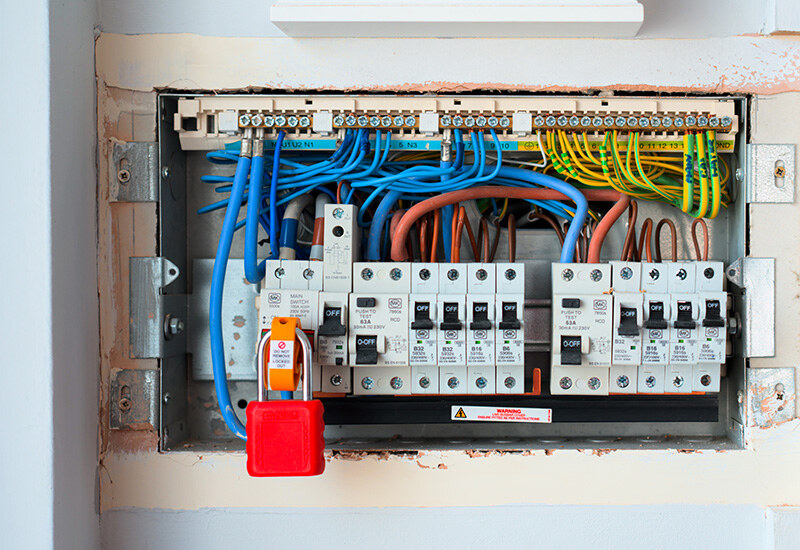
Many people assume an EICR focuses only on the consumer unit, but the inspection actually covers the entire fixed electrical system throughout the property. This includes cabling hidden within walls, switches, sockets, lighting circuits, fixed appliances such as showers, and protective devices designed to disconnect power during faults. Portable appliances like kettles or televisions are not usually part of the installation itself; they fall under separate testing procedures.
Understanding this difference is important because an EICR looks beyond what’s visible. It assesses the underlying infrastructure that delivers electricity safely across your home or workplace, ensuring the installation continues to perform as intended.
Why Regular Electrical Inspections Matter
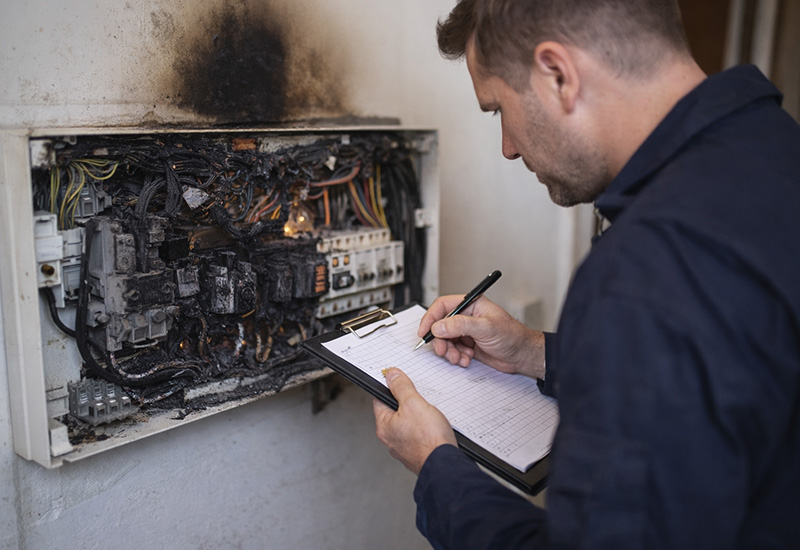
Over time, small issues such as loose connections, outdated protection devices or poorly executed DIY alterations can develop into serious safety hazards. Because electrical systems often remain untouched for years, problems may only become obvious once damage has already occurred. Regular inspection allows potential risks to be identified early, giving property owners a clear picture of whether their installation remains suitable for continued use.
For landlords across the UK private rented sector, periodic inspection isn’t optional – electrical installations must be checked at least every five years and tenants must receive a copy of the report. Businesses also have legal responsibilities under workplace safety legislation to ensure electrical systems are maintained safely, making routine inspection an essential part of compliance.
Homeowners are not always legally required to obtain an EICR, but safety organisations widely recommend periodic testing, particularly in older properties or when buying and selling homes.
What Happens During an EICR Inspection
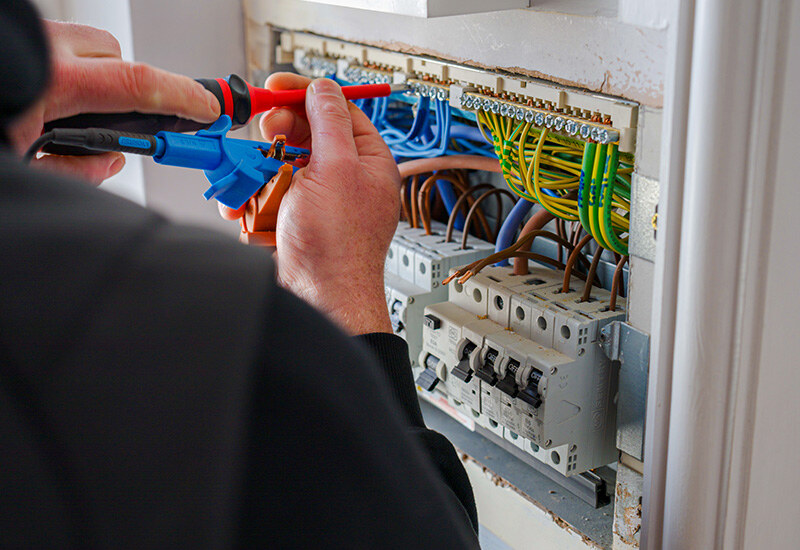
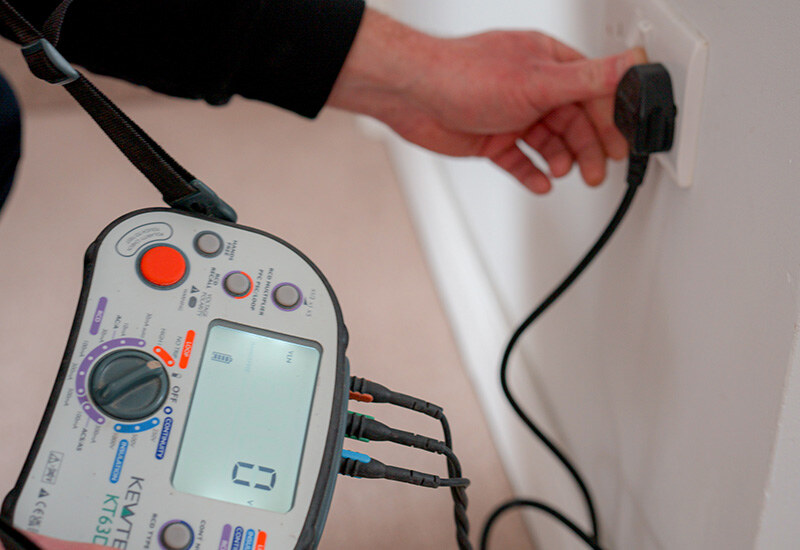
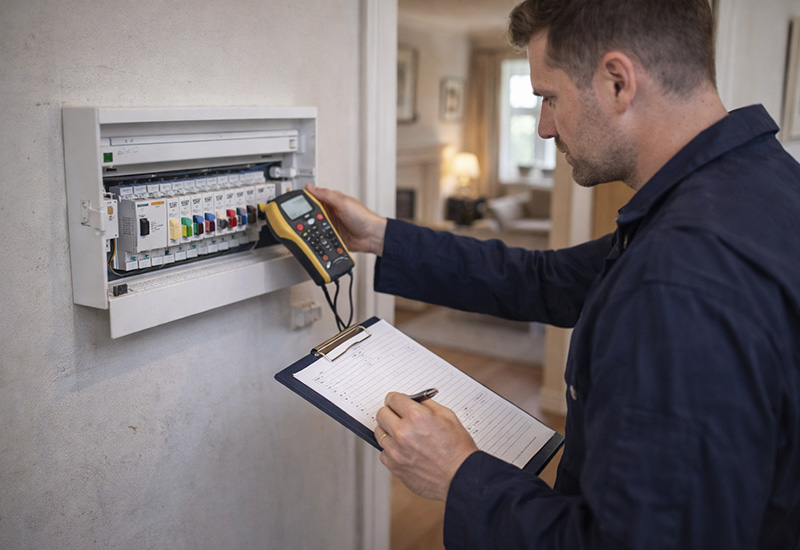
An Electrical Installation Condition Report follows a structured process rather than a quick visual check. The inspection begins with a detailed assessment of visible components, where the electrician looks for overheating, damaged accessories, outdated equipment or signs of poor workmanship. From there, specialised testing equipment is used to evaluate the performance of circuits throughout the property, confirming correct polarity, insulation integrity and the effectiveness of protective devices.
These technical tests are essential because they reveal issues that cannot be detected by sight alone. Measurements taken during the inspection help determine whether circuits will safely disconnect under fault conditions, ensuring protection systems respond quickly enough to reduce risk.
Understanding EICR Results and Safety Codes
Once testing is complete, any issues discovered are documented within the report using recognised classification codes. Immediate dangers requiring urgent action, potentially hazardous defects, recommended improvements and situations requiring further investigation are all recorded to provide a clear and transparent overview of the installation’s condition.
The final outcome is normally marked as either satisfactory or unsatisfactory. A satisfactory result confirms that the installation is safe for continued use, while an unsatisfactory report highlights areas that need attention before the system can be considered fully compliant. This structured approach allows property owners to prioritise safety work without confusion.
Why a Qualified Electrician Matters
An EICR is not a DIY task. The inspection involves specialist testing equipment and detailed knowledge of electrical regulations, meaning it should always be completed by a competent and qualified professional. Certification bodies and competent person schemes exist to ensure electricians meet recognised industry standards and maintain up-to-date knowledge of current wiring regulations.
Choosing a properly qualified electrician ensures the report is accurate, legally valid and carried out safely, giving you confidence that your property’s electrical system has been assessed correctly.
Keeping Homes & Landlords Protected
Fill in this form or use the contact details below.
Send us an email
hello@electracompliance.co.uk
Give us a call:
Stuart – 07442 444 487
Opening Hours
Mon-Fri 8am-6pm
Sat 8am-1pm